
Community Supported Agriculture
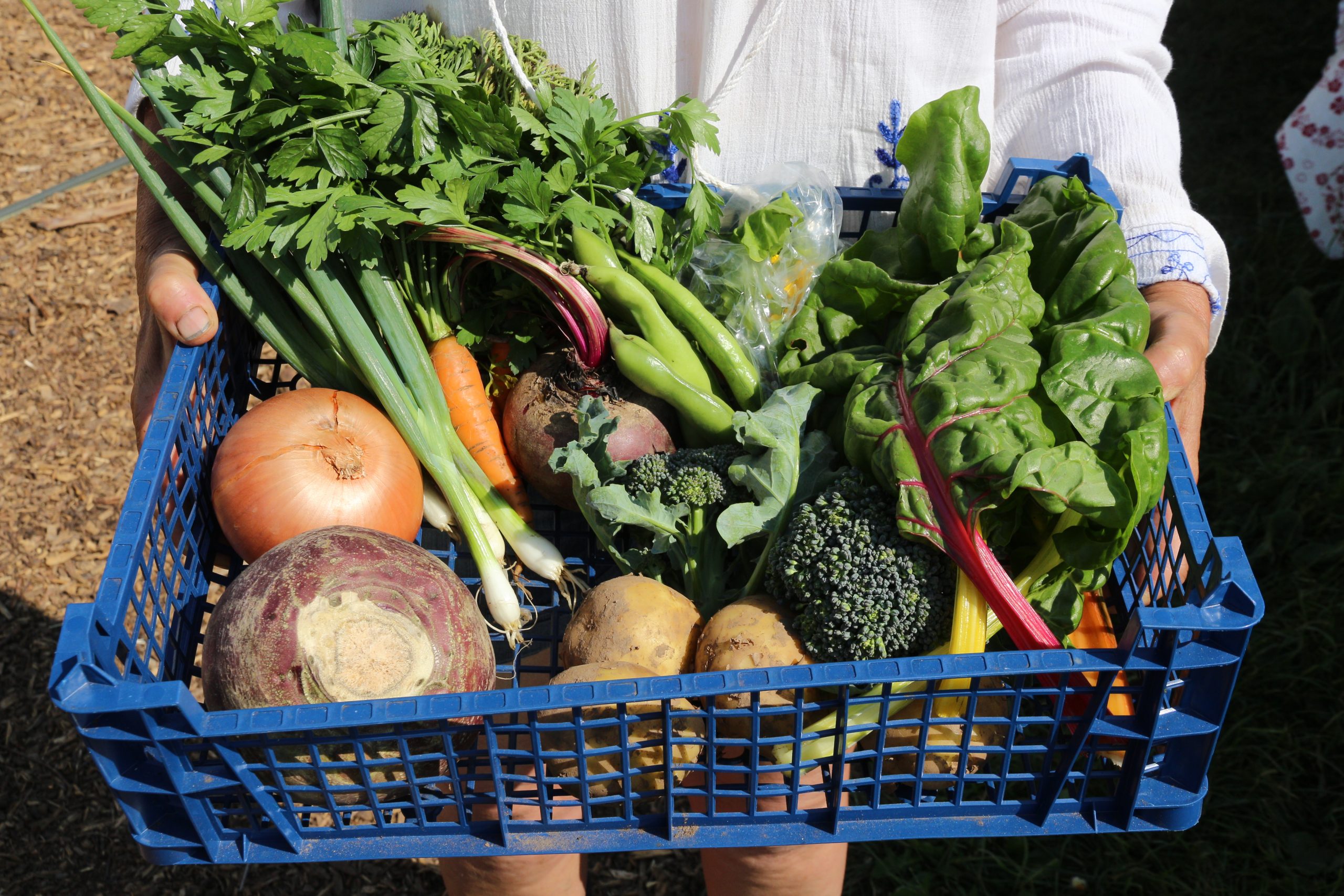
Community Supported Agriculture (CSA) is a unique farming model that benefits both farmers and consumers.
It helps farmers earn a fair and stable income and provides people with access to fresh, locally produced food. CSA strengthens communities and helps people understand the importance of sustainable farming, which protects the environment and addresses climate change.
In a CSA, farmers and consumers work together, sharing the responsibilities, risks, and rewards of farming. Consumers, also known as members, usually commit to buying produce for an entire season instead of just occasionally. This commitment provides farmers with a reliable income and a guaranteed market, which is especially helpful for new farmers with limited funds.
By supporting CSA, every penny spent goes directly to the farmer, keeping the money within the local economy. Members get to enjoy fresh, fairly-priced, and healthy produce from a trusted local source. CSA farms also create local jobs, support other local food businesses, and contribute to the community’s overall health and well-being. They promote sustainable farming practices that benefit the environment.
CSA is becoming more popular in the UK, with around 200 CSA farms feeding thousands of households. The CSA Network supports over 150 farms, a number that has grown by more than 50% in the last year, and there is increasing interest from new farmers wanting to start CSA farms. CSA is a powerful way to reconnect people with agriculture and promote sustainability, resilience, and transparency in the food system.
The Benefits of Community Supported Agriculture (CSA)
1. Economic Benefits
Resilience and Reliability
CSAs are crucial for the UK’s food system, providing stability and resilience. During the pandemic, CSAs continued to operate smoothly due to the strong, long-term relationships between producers and members, with many experiencing a surge in demand. If the CSA model were adopted in every community, it could ensure a steady supply of fresh, healthy produce during crises.
Local Economy Boost
With short supply chains and minimal retail, transport, and marketing costs, CSAs keep money within the local economy, particularly benefiting farmers. Unlike the average farmer in the UK, who retains only 8% of the food pound, CSAs allow the entire farming pound to stay local. They also offer a direct market route for landowners and larger-scale farmers, increasing productivity by converting low-yield land into high-yield areas.
Productivity and Employment
CSAs are productive businesses, yielding high output per acre and generating income from traded produce and services. They support skill development and local employment, offering numerous training programs and high employment levels relative to land size. CSAs also help new farmers overcome barriers like land access and startup capital, as the upfront payment from members provides financial stability.
2. Environmental Benefits
Sustainable Farming
CSAs practice eco-friendly farming methods, including natural techniques that support biodiversity and soil health. They often grow diverse crops and raise rare livestock breeds, enhancing biodiversity. Many CSAs have increased production diversity, planted more hedges and trees, and created new wildlife areas.
Climate Change Mitigation
CSAs contribute to reducing climate change by minimising food miles, fossil fuel use, and chemical use.
3. Social Benefits, Education & Health
Educational and Public Services
Most CSAs offer free public services, including education and training programs for community and school groups. They also engage in social prescribing and care farming, welcoming volunteers from health and social care services to improve their mental and physical health while gaining farming experience.
Improved Health and Well-being
CSAs provide affordable, healthy produce. Many members report improved quality of life and health, along with better cooking and eating habits, thanks to access to local, seasonal, and healthy food.
Community Engagement
CSAs foster a unique connection between the public and agriculture, encouraging community involvement in farming activities and environmental engagement. Most UK CSA farms have an open-door policy, inviting people to visit and participate in farm life.